
Types of Wedding Dress Fabrics & Their Importance
Feb 16, 2026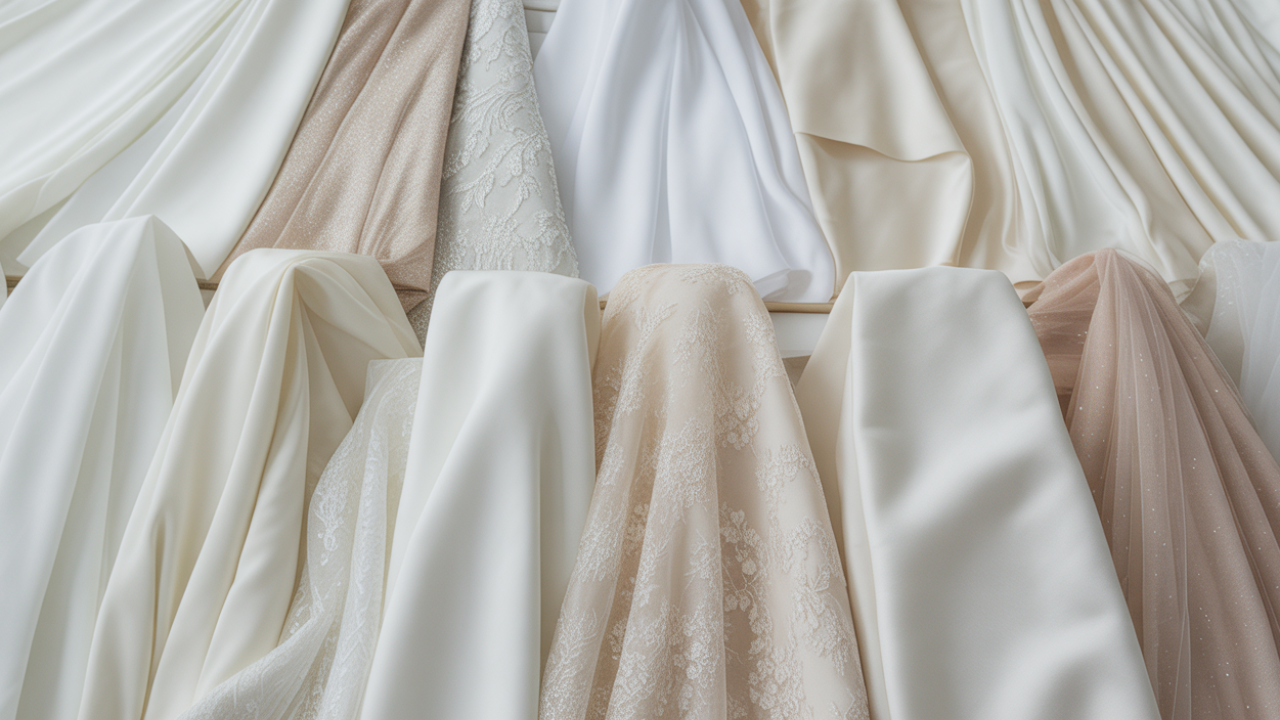
Disclosure: This post may contain affiliate links and advertisements. I may earn a commission at no additional cost to you. Content is supported with Ai and is for entertainment purposes only.
I Think Wedding Dress Fabric Changes Everything
I think when most brides picture their dress, they imagine the silhouette first.
A-line. Ball gown. Fitted. Flowing.
But fabric is the quiet decision-maker. It controls how the gown moves, how it photographs, how it feels on your skin, and even how confident you stand in it. Two dresses with the exact same shape can feel completely different depending on whether they’re made of satin or chiffon.
If you’ve been searching for wedding dress fabric types, bridal gown material guide, or how to choose the right wedding dress fabric, this guide will walk you through the most common materials in a way that actually helps you shop smarter.
Because I truly believe a little fabric knowledge can save you from a lot of fitting-room confusion.
Let’s talk texture, structure, comfort, and the meaning behind each material.
Why Wedding Dress Fabric Matters More Than Most Brides Realize
Fabric influences:
• How your dress drapes
• Whether it clings or floats
• How it reacts to heat
• How it photographs in sunlight
• How it feels after six hours
Search-friendly phrases woven naturally: wedding dress fabric guide, bridal gown materials explained, satin vs chiffon wedding dress, lace wedding dress fabric types.
Imagine wearing heavy duchess satin at a beach wedding in July. Or wearing ultra-light chiffon in a dramatic cathedral setting. The mismatch isn’t about aesthetics — it’s about experience.
I personally love when fabric aligns with the venue and the mood of the day. That alignment feels effortless.
Satin: Structured, Smooth, and Polished
Satin is one of the most recognizable bridal fabrics.
What It Looks Like
Smooth surface with subtle sheen.
Why It’s Popular
• Creates clean, structured silhouettes
• Photographs beautifully in indoor lighting
• Feels classic and timeless
Best For
• Ball gowns
• Structured A-line dresses
• Formal venues
Satin holds shape well. It supports tailored bodices and dramatic skirts.
If you want a crisp, regal feel, satin delivers that presence.
Chiffon: Lightweight and Effortlessly Romantic
Chiffon feels soft and airy.
What It Looks Like
Sheer, slightly textured, flowing.
Why Brides Love It
• Moves beautifully in breeze
• Ideal for outdoor weddings
• Comfortable in warm climates
Best For
• Beach ceremonies
• Garden venues
• Destination weddings
Chiffon creates motion. It’s graceful without feeling heavy.
I think chiffon is perfect when you want to feel like you’re gliding instead of walking.
Lace: Detailed, Textured, and Symbolic
Lace carries tradition and texture.
What It Looks Like
Intricate patterns layered over lining.
Why It’s Meaningful
• Often symbolizes romance and heritage
• Adds visual depth
• Offers endless pattern variations
Best For
• Vintage-inspired gowns
• Romantic themes
• Rustic or historic venues
Lace works as an overlay or as the primary design feature.
Keep in mind: lace weight varies. Some lace feels delicate, others more substantial.
Tulle: Volume and Whimsy
Tulle creates fullness without heaviness.
What It Looks Like
Fine netting layered for volume.
Why It’s Used
• Adds dimension
• Creates soft skirts
• Works for dramatic silhouettes
Best For
• Ball gowns
• Princess-inspired looks
• Romantic evening ceremonies
Tulle can be layered lightly for subtle fullness or heavily for statement skirts.
Organza: Crisp but Light
Organza is similar to chiffon but slightly stiffer.
What It Looks Like
Sheer and structured.
Why It Works
• Holds shape better than chiffon
• Lighter than satin
• Elegant without bulk
Best For
• Layered skirts
• Formal summer weddings
It offers a structured float.
Crepe: Sleek and Modern
Crepe feels contemporary.
What It Looks Like
Softly textured with subtle stretch.
Why Brides Choose It
• Clean lines
• Minimal aesthetic
• Body-skimming without stiffness
Best For
• Column silhouettes
• Modern city weddings
Crepe moves easily and feels comfortable for dancing.
Mikado: Structured With Subtle Shine
Mikado is a heavier silk blend.
What It Looks Like
Thicker than satin with subtle texture.
Why It’s Ideal
• Holds dramatic shapes
• Feels luxurious
• Maintains crisp lines
Best For
• Structured gowns
• Statement skirts
It’s often chosen for architectural designs.
Charmeuse: Soft Shine and Fluidity
Charmeuse drapes closely to the body.
What It Looks Like
Glossy front with matte underside.
Why It Appeals
• Feels silky
• Skims curves
• Elegant in candlelight
Best For
• Minimalist gowns
• Intimate weddings
Charmeuse requires careful tailoring.
Velvet: Rich and Unexpected
Velvet isn’t traditional for all weddings, but for fall and winter ceremonies, it adds texture.
Best For
• Cooler months
• Dramatic themes
• Unique brides
Velvet photographs beautifully under warm lighting.
Fabric and Season Pairing Guide
Spring:
• Lace
• Chiffon
• Organza
Summer:
• Chiffon
• Crepe
• Lightweight satin
Fall:
• Mikado
• Heavier lace
• Structured satin
Winter:
• Velvet
• Heavy satin
• Layered tulle
Matching fabric to season enhances comfort.
Create a Wedding Dress Vision Board With Pearls and Ribbon
This tactile exercise helps clarify your aesthetic before shopping.
1. Gather Materials
• Poster board or cork board
• Printed dress images
• Pearl strands
• Satin ribbon in your wedding colors
• Fabric swatches if possible
2. Choose a Central Emotion
Write one word at the top:
Romantic. Bold. Minimal. Vintage.
3. Arrange Dress Photos
Place 6–10 images that resonate with you.
4. Layer Texture Elements
Glue pearls lightly around edges to represent classic elegance.
Drape ribbon across corners to symbolize flow.
5. Add Fabric Words
Write descriptors beside images:
“Structured satin”
“Airy chiffon”
“Textured lace”
6. Step Back
Notice which fabrics dominate visually.
7. Narrow Your Focus
Choose 2–3 fabrics to try first in-store.
This hands-on method clarifies what truly draws you.
More Posts to Enjoy:
- Cute Wedding or Bridal Shower Food Carts That Make Guests Smile
- Plan and Pack for a Wild Bachelorette Party Night Out
- DIY Bridal Shower: 3 Stunning Social Media–Worthy Backdrops
Common Fabric Mistakes Brides Make
Choosing Fabric Without Considering Climate
Heavy materials in summer create discomfort.
Ignoring Undergarment Impact
Thin fabrics show lines easily.
Forgetting About Wrinkles
Some fabrics crease more than others.
Overlooking Movement
Sit and walk during fittings.
Prioritizing Trend Over Comfort
Fabric should feel good against your skin.
FAQ: Wedding Dress Fabric Questions
Is satin too heavy for summer?
Lightweight satin works. Heavier versions may feel warm.
Does lace always mean vintage?
Not necessarily. Pattern design determines aesthetic.
Which fabric is most comfortable?
Crepe and chiffon often feel breathable.
What wrinkles the least?
Heavier satin and mikado wrinkle less than chiffon.
Should I match fabric to venue?
Yes. Fabric influences overall mood.
Are fabric blends common?
Very common. Many gowns combine materials.
How many fittings should I expect?
Typically 2–3 depending on tailoring needs.
Gratitude for a Beautiful Dress
Your wedding dress becomes part of your story.
It’s photographed. It’s remembered. It’s held in memory long after the day ends.
I think when you understand fabric, you shop differently. You notice weight, texture, movement — not just sparkle.
When you find the fabric that feels right, you stand taller in it.
There’s gratitude in wearing something that feels beautiful and aligned.
That’s what makes it unforgettable.
Wishing you the best at your beautiful wedding! ✨
Warmly,
Jenna