
Steps to Picking the Right 🍽️ Wedding Food Vendor
Jan 27, 2026
Disclosure: This post may contain affiliate links and advertisements. I may earn a commission at no additional cost to you. Content is supported with Ai and is for entertainment purposes only.
Why Wedding Food Matters More Than People Admit
I feel like food is one of those things that quietly shapes the entire wedding experience. Guests might not remember every centerpiece or song, but they almost always remember how the food made them feel.
Were they comfortable? Energized? Cared for? Were they hungry, overstimulated, and counting the minutes until cake?
Wedding days can be long. There’s travel, emotions, socializing, dancing, and often understandably a lot of waiting. Food is what grounds people. It’s what helps guests recharge so they can stay present and enjoy the celebration instead of feeling drained halfway through the night. I’ve noticed that when food feels thoughtful and satisfying, the whole wedding feels more energized.
Picking the right wedding food vendor isn’t just about taste. It’s about timing, comfort, flexibility, and understanding how people move through a long event. The right vendor supports the flow of the day, helps guests feel taken care of, and gives you one less thing to worry about once the celebration starts.
This guide walks through how to choose a wedding food vendor with intention — not stress — so the food supports your big day and the experience you want to create.
What “The Right Wedding Food Vendor” Really Means
The right food vendor isn’t always the fanciest or most expensive. It’s the one that aligns with your priorities.
A great wedding food vendor:
• Communicates clearly
• Understands event flow
• Handles logistics smoothly
• Accommodates dietary needs
• Feels calm under pressure
A less-than-great vendor often creates stress behind the scenes, which can ripple into the guest experience.
A vendor who understands staggered serving times can prevent long lines and guest frustration — even if the menu itself is simple.
How to Plan Before You Start Contacting Food Vendors
Before reaching out to anyone, it helps to get clear internally. This saves time and helps you ask better questions.
Key Planning Points to Clarify First
• Guest count: Even a rough estimate helps vendors guide portions
• Service style: Buffet, plated, family-style, stations, or food trucks
• Venue restrictions: Kitchen access, open flame rules, noise limits
• Timing: When food is served relative to ceremony and dancing
• Budget comfort zone: A range helps conversations stay realistic
• Overall vibe: Cozy, elevated, playful, relaxed, or formal
Knowing these answers upfront makes vendor conversations much smoother.
How to Ask the Right Questions When Interviewing Wedding Food Vendors
This is one of the most important parts of the process. The answers matter more than the menu description.
Step 1: Ask About Experience With Your Venue
Have they worked there before? If not, how do they handle new spaces?
Step 2: Clarify Service Style
Who is serving? How many staff members will be present?
Step 3: Ask About Timing and Flow
How do they manage food timing with speeches, dancing, or transitions?
Step 4: Discuss Dietary Accommodations
How do they handle allergies, intolerances, or preferences?
Step 5: Ask About Portions
How do they ensure guests don’t feel hungry?
Step 6: Understand Setup and Breakdown
What is required from the venue versus the vendor?
Step 7: Review Staffing Ratios
Adequate staff keeps lines short and service smooth.
Step 8: Ask About Backup Plans
What happens if equipment fails or timing shifts?
Step 9: Clarify Tasting Options
Can you sample the food before committing?
Step 10: Review the Contract Carefully
Look for clarity around pricing, overtime, and changes.
These questions reveal professionalism and reliability.
Key Food Sensitivities and Needs to Consider
Food sensitivity planning isn’t about perfection — it’s about care.
Common needs to account for:
• Vegetarian
• Vegan
• Gluten-free
• Dairy-free
• Nut allergies
• Shellfish allergies
• Religious dietary restrictions
• Texture sensitivities
Even one clearly labeled allergy-friendly option can make guests feel seen and safe.
20 Wedding Food Vendor Ideas to Consider
Not all wedding food needs to look the same. These ideas span different styles, budgets, and vibes.
1. Traditional full-service catering companies
2. Farm-to-table caterers focused on seasonal ingredients
3. Restaurant buyouts or restaurant-led catering
4. Food trucks for casual or outdoor weddings
5. BBQ caterers for relaxed, hearty meals
6. Italian catering for comfort and crowd-pleasing dishes
7. Mediterranean caterers for lighter, fresh options
8. Asian fusion caterers for variety and bold flavors
9. Taco or street-food catering for interactive fun
10. Brunch caterers for morning or early afternoon weddings
11. Vegan or plant-based catering specialists
12. Family-style comfort food caterers
13. Small-plate or tapas-style vendors
14. Wood-fired pizza vendors
15. Seafood caterers for coastal weddings
16. Southern-inspired catering
17. Middle Eastern catering for rich, shareable dishes
18. Local chef-run catering businesses
19. Pop-up dining experiences
20. Hybrid catering with multiple vendors (main meal + late-night food)
The “best” option is the one that matches how you want guests to feel.
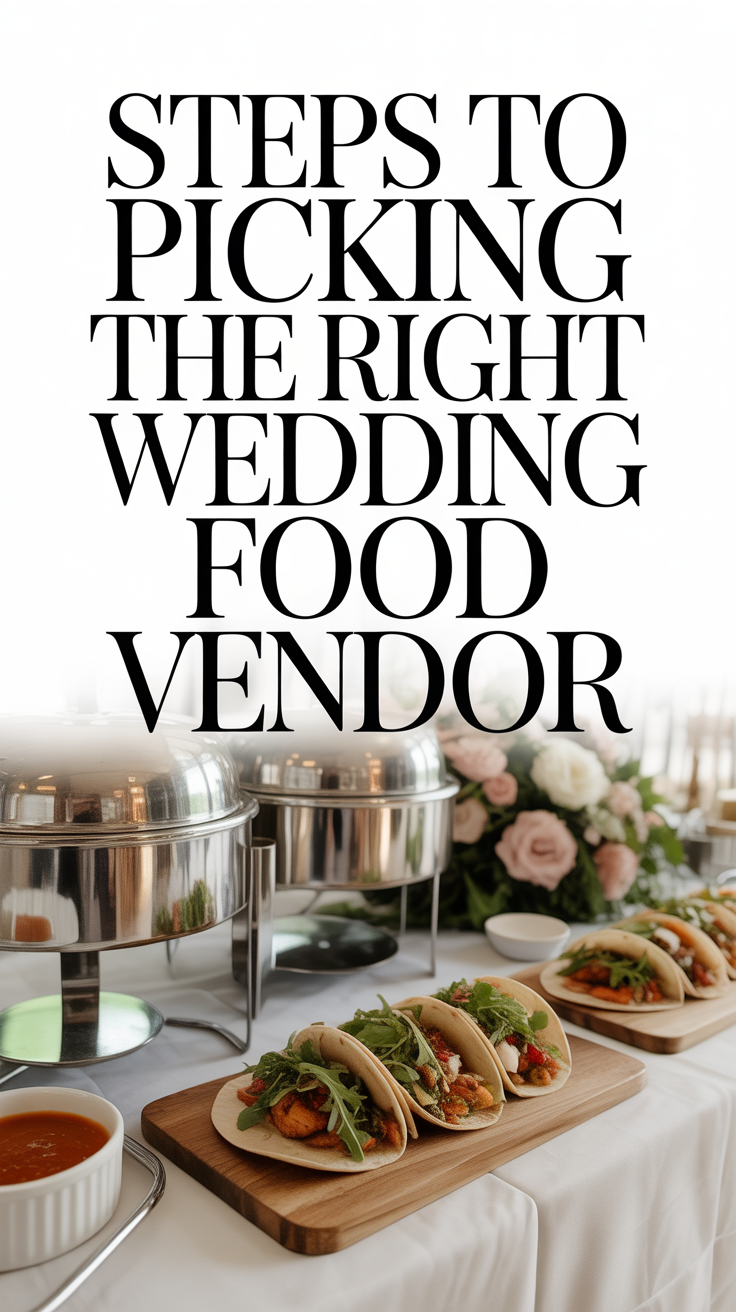
3 Interactive Food Stations Guests Have Fun With
Interactive food stations work best when they’re intuitive and not overly complicated.
1. Build-Your-Own Bowl Station
Guests choose a base, protein, and toppings, which allows for customization and dietary flexibility.
2. Slider or Mini Sandwich Station
Small portions keep lines moving and encourage mingling without overwhelming guests.
3. Dessert or Sweet Treat Bar
Offering a mix of textures and flavors lets guests choose what appeals to them most.
Interactive stations work especially well during cocktail hour or late-night snacks.
How Food Impacts Guest Energy Throughout the Wedding
Heavy food too early can make guests sluggish. Food that’s too light can leave people hungry.
A balanced approach often works best:
• Cocktail hour: Light, protein-rich bites
• Main meal: Comforting but not overwhelming
• Late night: Fun, familiar snacks
I love when food helps guests stay energized so the dance floor stays full later.
Enjoyed reading this? These posts pair nicely with it:
Common Mistakes Couples Make When Choosing a Food Vendor
Choosing solely based on price
Cheap food that causes stress isn’t actually a savings.
Not asking about staffing
Understaffed vendors slow everything down.
Ignoring guest comfort
Food should support the flow of the day, not interrupt it.
Forgetting dietary needs
Guests remember when they feel overlooked.
Frequently Asked Questions About Wedding Food Vendors
Do we need a tasting?
It’s highly recommended if available.
Is buffet or plated better?
Neither is better universally — it depends on your priorities.
Can we mix vendors?
Yes, but coordination matters.
How much food is enough?
Vendors with experience can guide you.
10 Helpful Items Women Can Purchase to Support Wedding Food Planning
1. A Wedding Planning Notebook
Keeps vendor notes and menus organized. Helpful for detail-oriented brides.
2. Guest Dietary Preference Tracker
Makes it easier to communicate needs clearly. Ideal for larger guest lists.
3. Label Cards or Signage
Helps guests identify food options easily. Great for allergy awareness.
4. Menu Display Frames
Elevate food stations visually. Helpful for self-serve setups.
5. Portable Cooler or Warming Tray
Supports late-night snacks or outdoor events. Useful for casual weddings.
6. Disposable Gloves or Serving Utensils
Encourage cleanliness at stations. Helpful for interactive food areas.
7. Extra Napkins or Linens
Guests always need more than expected. Great for comfort and cleanliness.
8. Late-Night Snack Containers
Makes serving easy and fun. Perfect for end-of-night energy boosts.
9. Food Allergy Stickers or Labels
Provides clarity and peace of mind. Helpful for sensitive guests.
10. Emergency Snack Basket
Keeps the couple fueled. Especially helpful during long days.
How Choosing the Right Food Vendor Supports Your Big Day
Food is care in physical form. When guests feel fed, comfortable, and thought of, the entire celebration feels warmer. Choosing a food vendor thoughtfully is an extension of hospitality. I think hospitality is a form of love in its own way.
Celebrating With Comfort, Care, and Full Plates
Your wedding is a celebration of love, connection, and togetherness. Food plays a quiet but powerful role in making that celebration feel good for everyone involved. When guests are comfortable and nourished, they show up fully — laughing, dancing, and staying present with you.
Choosing the right wedding food vendor is about care. It’s about creating an experience where people feel welcome, supported, and energized. And when that happens, the joy multiplies naturally.
Celebrate your big loving heart by feeding the people you love well.
Wishing you the best at your beautiful wedding! ✨
Warmly,
Jenna