
Steps to Finding a Good Wedding Florist
Feb 16, 2026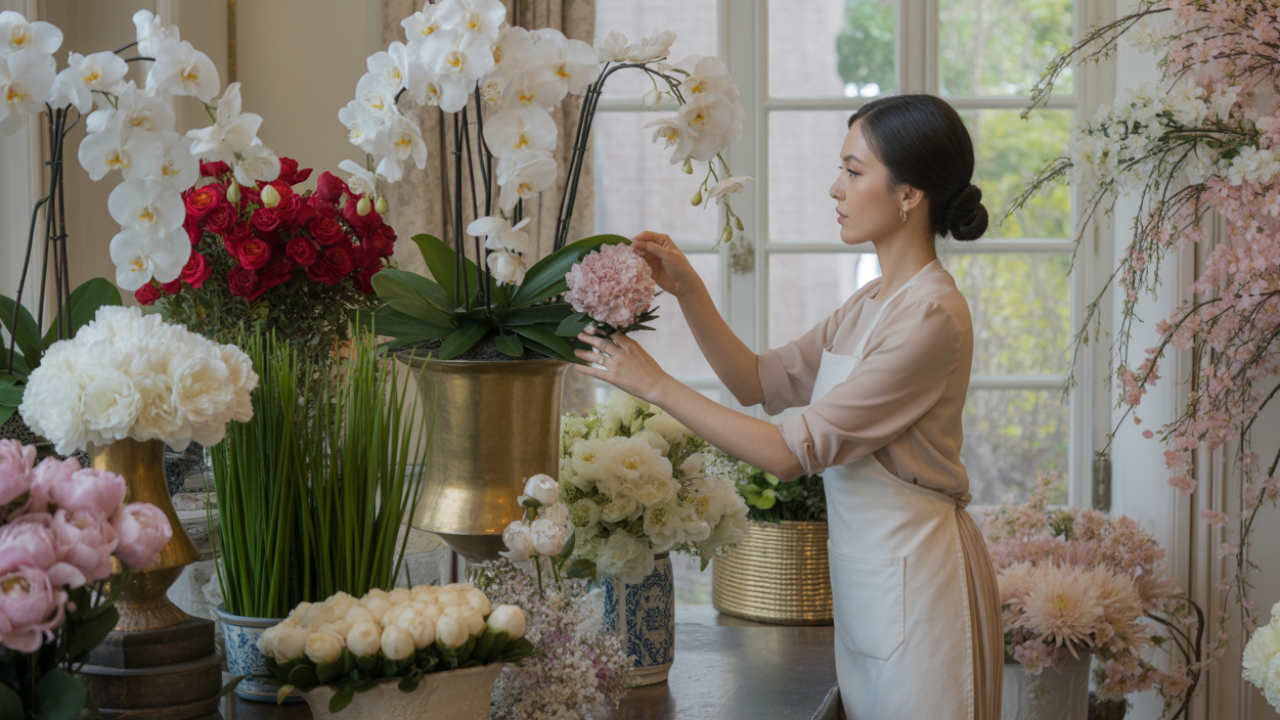
Disclosure: This post may contain affiliate links and advertisements. I may earn a commission at no additional cost to you. Content is supported with Ai and is for entertainment purposes only.
Flowers Are Going to Be One of My Favorite Parts
There’s something about wedding flowers that makes everything feel real. The bouquet. The ceremony arch. The soft arrangements lining reception tables. I already know flowers would be one of my favorite parts if I were planning — they add life, texture, scent, and emotion to the entire day.
Florals set the tone visually before a single word is spoken. They show up in your photographs, frame your ceremony, and surround your guests during dinner and dancing. Choosing the right wedding florist isn’t just about selecting pretty blooms. It’s about finding someone who understands your vision, your venue, your personality, and your budget.
If you’re wondering how to find a good wedding florist, what to ask, and how to decide on the right flowers for your celebration, this guide will walk you through it step by step in a way that feels clear and doable.
Let’s build your floral plan with confidence.
What a Wedding Florist Can Provide (More Than Just Bouquets)
Many couples think of bouquets and centerpieces first, but a wedding florist can offer so much more than handheld flowers.
Here’s what a professional wedding florist may provide:
• Bridal bouquet
• Bridesmaid bouquets
• Boutonnieres and corsages
• Ceremony arch or altar arrangements
• Aisle markers
• Floral installations
• Reception centerpieces
• Sweetheart table florals
• Cake flowers
• Floral backdrops
• Flower crowns
• Loose petals
A florist also helps with color balance, seasonal selection, installation logistics, and setup timing. They coordinate with your venue and planner to ensure arrangements are delivered, assembled, and removed properly.
Flowers are design elements. A florist is a designer who works with living materials.
Types of Florists and How to Determine Who You Need
Not every florist specializes in weddings, and that distinction matters.
Here are the main types:
1. Retail Flower Shops
These are local flower stores that create arrangements for everyday occasions. Some offer wedding packages. They’re often a good fit for smaller weddings or simpler floral needs.
2. Wedding Floral Designers
These professionals specialize specifically in weddings and large-scale events. They focus on installations, arches, tablescapes, and cohesive event styling.
3. Luxury Floral Studios
High-end design teams who create elaborate floral experiences. Ideal for large venues and statement installations.
4. DIY Flower Suppliers
Wholesale flower companies that ship bulk blooms directly to you for self-arranged weddings.
To determine who you need, consider:
• Your guest count
• Your venue size
• The scale of floral installations
• Your budget
• Your design expectations
If you’re envisioning dramatic arches and ceiling installations, a specialized wedding floral designer is likely the best fit. For intimate gatherings, a local shop may work beautifully.
What to Look for in a Wedding Florist
Finding the right florist goes beyond liking their Instagram feed.
Here’s what to look for:
Consistent Portfolio
Browse full wedding galleries when possible. Look for cohesive color palettes and balanced arrangements.
Understanding of Your Style
Do they have experience with your aesthetic? Garden romantic? Modern minimal? Classic formal?
Communication Style
Do they respond clearly and promptly? Communication now reflects communication later.
Knowledge of Seasonality
A skilled florist guides you toward flowers that are in season and within budget.
Installation Experience
If your venue requires setup at height or structural arrangements, experience matters.
Transparency in Pricing
Look for detailed proposals that clearly outline what you’re receiving.
You want someone creative, organized, and calm under pressure.
Questions to Ask a Wedding Florist
Bring thoughtful questions to your consultation. Here are helpful ones:
1. Have you worked at my venue before?
2. What flowers are in season during my wedding month?
3. How do you handle flower substitutions if needed?
4. Do you handle delivery, setup, and breakdown?
5. How many weddings do you book per weekend?
6. Can you work within my budget range?
7. Do you offer mock-ups or sample centerpieces?
8. How do you preserve flowers during hot weather?
Clear communication early prevents misunderstandings later.
The Ultimate DIY Guide to Deciding on Your Wedding Flowers
Choosing your wedding flowers can feel overwhelming. Let’s break it down into manageable steps.
Step 1: Define Your Overall Mood
Before picking flowers, define how you want the space to feel. Romantic? Bold? Airy? Dramatic?
Write three adjectives that describe your wedding vision.
Step 2: Choose Your Color Palette
Select your primary color and two supporting tones.
Example:
Blush + cream + sage.
Florals should enhance your wedding color scheme, not compete with it.
Step 3: Consider Your Venue
An outdoor garden may require different florals than a ballroom.
Look at:
• Natural light
• Ceiling height
• Existing décor
Your flowers should complement the setting.
Step 4: Identify Must-Have Floral Pieces
Make a list of priorities.
For example:
• Bridal bouquet
• Ceremony arch
• Reception centerpieces
If budget becomes tight, you’ll know what matters most.
Step 5: Research Seasonal Flowers
Seasonal blooms are often more affordable and fresher.
Spring: Tulips, ranunculus
Summer: Dahlias, garden roses
Fall: Chrysanthemums, amaranthus
Winter: Anemones, hellebores
Your florist can guide you here.
Step 6: Mix Focal and Filler Flowers
Every arrangement benefits from structure.
• Focal flowers (large blooms)
• Secondary flowers (medium blooms)
• Filler flowers (small accents)
• Greenery (texture and softness)
This layering creates fullness.
Step 7: Think About Scale
Large venue? Go bigger with centerpieces. Intimate space? Smaller clusters may feel more balanced.
Proportion matters.
Step 8: Decide on Height Variation
Tall and low centerpieces create visual interest. Avoid having every table look identical in height.
Step 9: Add Texture
Include greenery, dried elements, or unique shapes for dimension.
Texture prevents arrangements from looking flat.
Step 10: Trust the Creative Process
After giving direction, allow your florist room to interpret your vision.
Flowers are art. Flexibility helps.
How a Florist Can Greatly Help Beyond Flowers
Florists often become unexpected design partners.
They help with:
• Color coordination
• Spatial balance
• Timeline setup
• Venue logistics
• Weather planning
• Repurposing ceremony florals for reception
A good florist thinks beyond bouquets and into the overall atmosphere.
Common Wedding Flower Mistakes
Avoid these common pitfalls:
• Choosing out-of-season flowers without flexibility
• Overloading tables with too many small arrangements
• Forgetting to budget for installation
• Ignoring venue size
• Waiting too long to book
Florists often book months in advance, especially for peak seasons.
You might find these interesting:
- 5 Lavender-Infused Bridal Shower Bars
- Best Wedding Snack: Lavender Honey Shortbread Bites
- 5 Smart Tips for Wedding Flowers on a Budget
Celebrate Gorgeous Flowers With the Right Florist by Your Side
Wedding flowers transform spaces. They soften edges, frame moments, and carry emotion through color and texture.
Finding the right wedding florist takes thoughtful research, honest communication, and clarity about your vision. When you align with someone who understands your style and works within your budget, the result is a cohesive floral experience that enhances every part of your celebration.
I truly believe flowers have the power to elevate a wedding from beautiful to unforgettable.
Choose intentionally. Plan thoughtfully. Then step back and let your florist bring your vision to life.
Your wedding deserves blooms that feel just as joyful as the day itself.
Wishing you the best at your beautiful wedding! ✨
Warmly,
Jenna