
Social Anxiety Support & Easy a Conversation Starters at Weddings
Dec 28, 2025
Disclosure: This post may contain affiliate links and advertisements. I may earn a commission at no additional cost to you. Content is supported with Ai and is for entertainment purposes only.
Social Anxiety Support and Easy Conversation Starters at Weddings
Sometimes I walk into a wedding feeling completely fine — and other times my chest tightens before I even find my seat. I’ve had moments where I don’t know what to say, where my mind goes blank mid-conversation, or where I sense tension in the room and freeze because no one else seems to notice it. Weddings are beautiful, emotional, and meaningful — but they’re also social marathons.
If you’ve ever felt socially anxious at a wedding, you’re not alone. The mix of expectations, emotions, unfamiliar people, and long conversations can be overwhelming. The good news is that there are gentle ways to support yourself, shift your mindset, and move through the day with more ease — without forcing yourself to be someone you’re not.
- Please note that is not medical or emotional advice. Please consult a professional if you need emotional or medical support.
🌿 Understanding the Feelings That Can Show Up at Weddings
Social anxiety at weddings doesn’t always look like panic. Sometimes it’s quiet, internal, and confusing. You might feel alert in a way that’s hard to relax from, or you may find yourself scanning the room for emotional cues.
Common feelings include:
• Worry about saying the wrong thing
• Feeling out of place among groups
• Emotional overload from the setting
• Sensitivity to tension or awkwardness
I’ve noticed that naming the feeling helps soften it. When I realize, “Oh, I’m just overstimulated,” the experience becomes less personal and less heavy.
Practical example:
If you feel drained early in the event, it doesn’t mean you’re rude or disengaged — it means your nervous system is working hard.
During long events, some guests find comfort in small grounding items like a discreet fidget or sensory ring. These can help release nervous energy quietly and are especially useful for people who self-soothe through movement without wanting attention drawn to them.
💭 What You Might Be Feeling (and Why It Makes Sense)
Weddings carry emotional layers — joy, nostalgia, grief, comparison, excitement — often all at once. Your body may react before your thoughts catch up.
You might feel:
• Pressure to be “on” socially
• Uncertainty about where you belong
• Emotional tenderness you didn’t expect
• Fear of being misunderstood
These reactions don’t mean you’re socially awkward or broken. They usually mean you’re perceptive and emotionally aware.
Social Insight:
Highly empathetic people often feel social anxiety more strongly because they notice subtle emotional shifts others miss.
Some guests like to keep a small calming stone or pocket token with them during events. Having something tangible to touch can help anchor attention when emotions start to swirl, especially in loud or crowded spaces.
🌬️ How to Self-Soothe and Reframe in the Moment
Self-soothing at weddings doesn’t require disappearing to the bathroom for half an hour. Small, quiet practices can help regulate your nervous system without interrupting the day.
Helpful techniques include:
• Slowing your breathing
• Grounding through physical sensation
• Reframing assumptions about others
• Allowing pauses in conversation
I’ve learned that silence doesn’t mean failure. Pausing before responding often makes conversations feel more natural.
Social Insight:
If your mind goes blank, try focusing on your breath for two counts before speaking. Most people won’t notice — and if they do, it often reads as thoughtfulness.
For guests who appreciate guided support, short anxiety-calming prompt cards or mini mindfulness decks can be useful beforehand or during breaks. These are especially helpful for people who want gentle reminders without pulling out a phone.
🛡️ How to Steer Clear of Drama — or Speak Up When You Need To
Weddings can bring together people with long histories, differing opinions, and unresolved dynamics. If you’re sensitive to tension, this can feel exhausting.
Ways to protect your energy:
• Step away from gossip early
• Change topics neutrally
• Excuse yourself kindly
• Speak up calmly if needed
I’ve found that having a few prepared phrases helps me feel less trapped when conversations turn uncomfortable.
Social Insight:
Saying, “I’m going to grab a drink — it was nice catching up,” allows you to exit gracefully without explaining yourself.
Some guests feel more confident when they’ve practiced boundary-setting phrases in advance. A small communication or boundary-prompt journal can help you rehearse language ahead of time so it’s available when emotions run high.
💬 Conversation Starters That Feel Natural (Even If You’re Nervous)
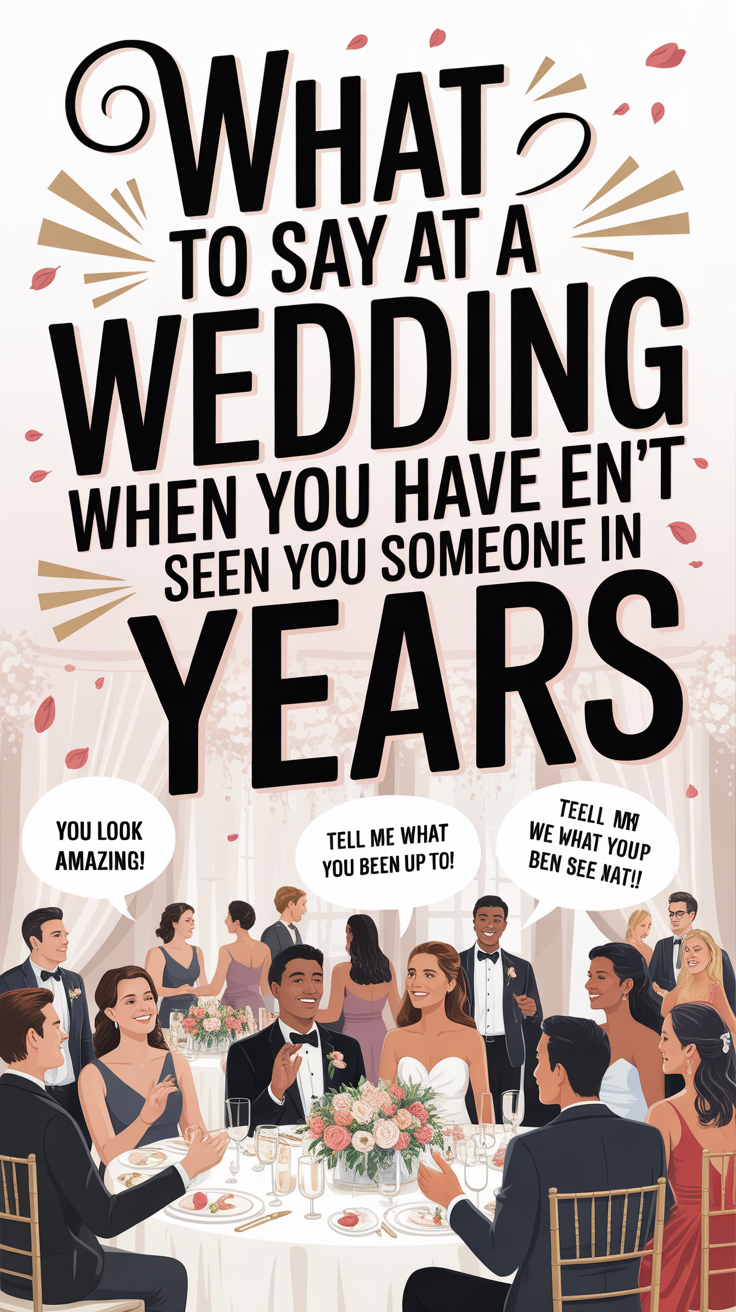
Not every conversation needs to be clever or deep. Often, simple, sincere questions create the most connection — especially with people you haven’t seen in years or have never met.
Gentle conversation starters include:
• “How do you know the couple?”
• “What part of the day are you most excited for?”
• “Have you traveled far to be here?”
• “What’s something good that’s been happening lately?”
I remind myself that curiosity is more important than performance. Listening well carries conversations further than trying to impress.
Social Insight:
Open-ended questions invite stories, which take pressure off you to keep talking.
Some guests keep a small note on their phone or a discreet conversation-starter card with a few prompts. This can be helpful if anxiety makes it hard to think on the spot, especially in loud environments.
❓ Social Anxiety at Weddings: Common Questions
What if I freeze mid-conversation?
Pausing is okay. Most people don’t mind brief silence.
Is it rude to take breaks?
No. Stepping outside or sitting quietly helps you stay present longer.
Do I need to socialize with everyone?
Not at all. Meaningful connection matters more than quantity.
What if someone is offended and no one says anything?
You’re not responsible for fixing the room. Protecting your peace matters.
Should I push myself to stay longer?
Listen to your body. Leaving early can be an act of care, not avoidance.
Some guests find reassurance in wearable reminder jewelry or affirmation bracelets. These can quietly reinforce grounding messages like “I’m safe” or “I don’t have to explain myself.”
🌸 Empowering Yourself Through Boundaries and Self-Trust
Social anxiety often eases when you trust yourself to respond kindly — to others and to yourself. Boundaries don’t make you difficult; they make you sustainable.
Empowerment can look like:
• Choosing where you sit
• Deciding who you engage with
• Allowing yourself to leave early
• Letting conversations be imperfect
I’ve learned that honoring my limits actually makes me more open, not less.
For guests who want extra support, a simple self-reflection or boundary-setting workbook can be helpful before big events. It benefits people who process internally and want clarity about what they need going in.
🌷 Conclusion: You Belong — Even If You’re Quiet, Sensitive, or Unsure
If you experience social anxiety at weddings, it doesn’t mean you’re doing something wrong. It means you’re human in a setting that carries a lot of emotion and expectation. You’re allowed to take up space gently. You’re allowed to pause. You’re allowed to protect your energy.
Recap to carry with you:
• Your feelings make sense
• You don’t need to perform
• Simple tools can help
• Boundaries are supportive
• Connection doesn’t require perfection
Whether you speak often or listen more, whether you stay all night or leave early — you belong in the room just as you are.
Wishing you the best at your beautiful wedding! ✨
Warmly,
Jenna