
How to Pick a Good Wedding Planner
Jan 21, 2026
Disclosure: This post may contain affiliate links and advertisements. I may earn a commission at no additional cost to you. Content is supported with Ai and is for entertainment purposes only.
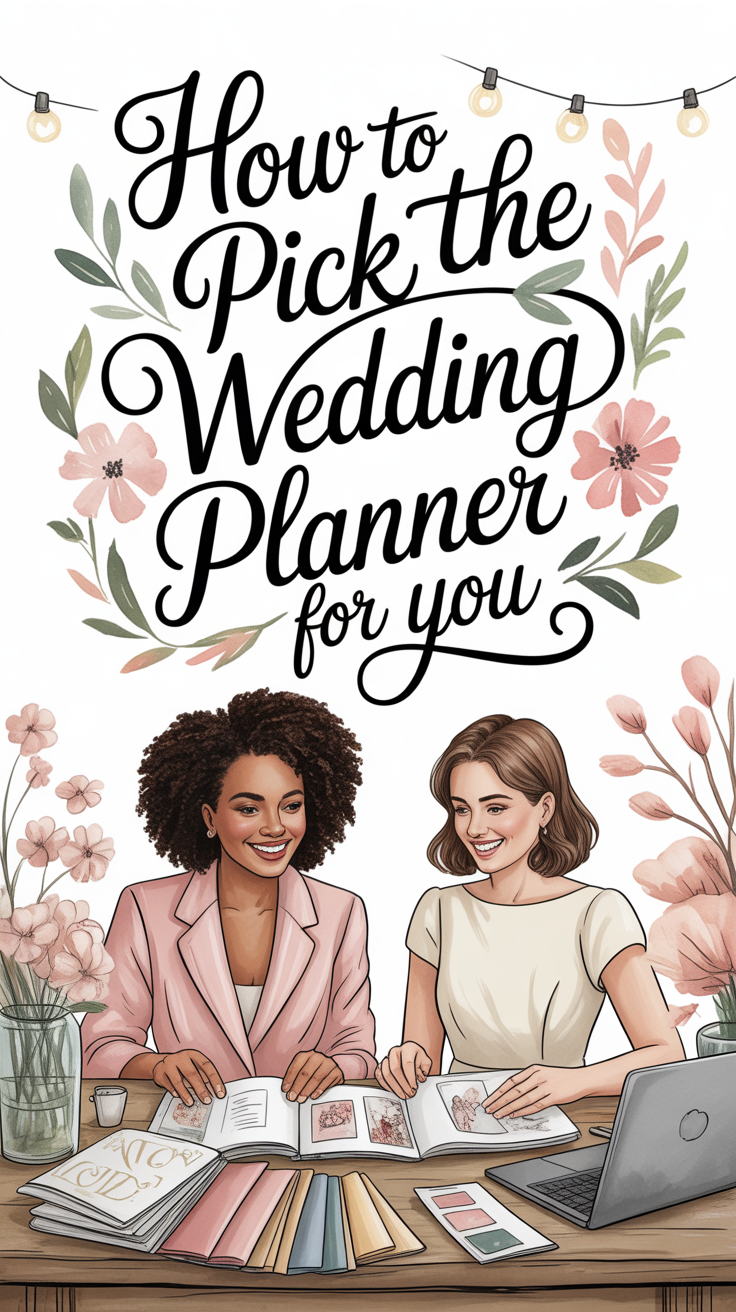
How to Pick a Good Wedding Planner (and Know You’ve Found the Right Fit)
The Right Fit Makes a World of Difference
A wedding planner isn’t just someone who manages logistics. They become part of the emotional rhythm of your wedding journey. When the fit is right, you feel supported, understood, and able to enjoy the process. When it’s not, stress sneaks in fast. This guide is here to help you confidently choose a wedding planner who feels aligned with you, not just your checklist.
What a Wedding Planner Actually Does (Beyond the Obvious)
It’s easy to think of a wedding planner as someone who schedules vendors and confirms timelines. That’s part of it — but it’s far from the whole picture.
A good wedding planner helps translate ideas into action. They catch details you might miss, ask questions you didn’t know to ask, and help your day move smoothly without pulling you out of the moment. They also help manage expectations — yours, your guests’, and sometimes even family members’.
A practical example: instead of juggling texts from multiple vendors the week of your wedding, your planner becomes the single point of communication. That alone can lift a huge weight off your shoulders.
Get Clear on What You Actually Want Help With
Before searching for a planner, it helps to understand what kind of support you’re looking for.
Some couples want someone deeply involved from the beginning. Others want guidance closer to the wedding day. There’s no right or wrong — just alignment.
Ask yourself:
• Do I want help making decisions or just organizing them?
• Do I feel overwhelmed by logistics or by choices?
• Do I want someone very hands-on or more behind-the-scenes?
I personally like planners who help me feel calmer just by explaining things clearly. That feeling matters more than fancy titles.
In-Depth Numbered Steps to Finding the Best Wedding Planner for You
Finding the right planner isn’t about picking the most popular name — it’s about finding the right connection.
1. Start With Your Wedding Style
Your planner doesn’t need to match your aesthetic exactly, but they should respect it. If you’re drawn to relaxed, romantic celebrations, someone who thrives on rigid structure might not feel like a natural fit.
2. Look at Tone, Not Just Photos
When browsing websites or social media, pay attention to how planners communicate. Warm language, thoughtful captions, and clarity often reflect how they’ll work with you.
3. Read Reviews for Patterns
One glowing review is nice. Multiple reviews saying the same things — calm, responsive, supportive — are far more telling.
4. Ask About Their Planning Philosophy
A great question is, “How do you support couples during stressful moments?” The answer reveals a lot about their approach.
5. Notice How They Listen
During consultations, do they interrupt or redirect? Or do they pause, reflect, and ask follow-up questions? Feeling heard early usually means feeling supported later.
6. Clarify Communication Style
Ask how often you’ll check in and through what channels. Some planners love weekly calls; others prefer structured updates. Alignment here prevents frustration.
7. Ask for Real-Life Examples
Invite them to share how they handled a challenge at a past wedding. Their response shows problem-solving style and emotional awareness.
8. Trust How You Feel After the Call
Do you feel lighter or heavier afterward? Relief is often a sign you’re on the right track.
15 Important Things to Tell Your Wedding Planner Early On
Clear communication creates trust from the beginning. These details help your planner support you fully.
1. Your overall wedding vision
2. Your non-negotiables
3. Your priorities
4. Your stress triggers
5. Your communication preferences
6. Your budget comfort level
7. Any family dynamics to be mindful of
8. What makes you feel calm
9. What overwhelms you quickly
10. Your timeline flexibility
11. Your guest count expectations
12. Any past planning experiences
13. Your venue limitations
14. Your style preferences
15. How you want to feel on the wedding day
A practical example: telling your planner upfront that you prefer gentle reminders instead of last-minute urgency helps them tailor their approach.
Typical Wedding Planner Services
Wedding planner pricing varies widely based on experience, services, and location. Understanding ranges helps set realistic expectations.
Partial Planning:
Often includes vendor guidance, timeline creation, and check-ins. This can range from a few thousand dollars upward.
Full Planning:
Includes concept development, vendor coordination, budget tracking, and day-of management. This is typically the highest investment.
Month-Of or Day-Of Coordination:
Focused on executing plans already made. This option works well if you enjoy planning but want support near the end.
Services often include:
• Timeline creation
• Vendor communication
• Setup coordination
• Problem-solving on the day
A helpful tip: clarity matters more than labels. Ask exactly what’s included so expectations stay aligned.
How to Know It’s Going Well With Your Wedding Planner
When the relationship is working, you’ll feel it.
Signs things are going well include:
• You feel supported, not rushed
• Communication feels consistent
• Questions are answered thoughtfully
• Concerns are taken seriously
• Decisions feel easier
A practical example: if something unexpected comes up and your planner calmly presents options instead of panic, that’s a very good sign.
Signs It Might Not Be the Right Fit
Not every planner-couple match works out — and that’s okay.
Warning signs include:
• Feeling dismissed
• Confusion about responsibilities
• Long response delays
• Pressure to change your vision
• Increased stress after interactions
If you consistently feel uneasy or unheard, it’s worth reassessing. Planning should feel collaborative, not draining.
Why Personality Match Matters More Than Trend Knowledge
Trends come and go. Emotional intelligence lasts.
A planner who understands you can adapt to changing details, unexpected challenges, and emotional moments with grace. That kind of support can’t be replaced by experience alone.
I’d personally choose someone who makes me feel comfortable asking questions over someone who knows every trend by heart.
How to Build a Strong Relationship With Your Planner
Once you’ve chosen a planner, nurturing the relationship matters.
Be honest, communicate early, and share feedback respectfully. Planners aren’t mind readers — clarity helps them support you better.
A practical example: if you’re feeling overwhelmed, saying so allows them to adjust pacing or communication.
FAQ: Choosing a Wedding Planner
Do I need a wedding planner for a small wedding?
Not always, but support can still be valuable — especially for peace of mind.
Is it okay to interview multiple planners?
Absolutely. It helps you compare styles and comfort levels.
Should my planner match my personality?
They don’t need to be identical, but alignment helps communication.
Common Mistakes to Avoid When Hiring a Wedding Planner
Even thoughtful couples can stumble here. These tips help avoid issues.
• Choosing based on price alone
• Skipping the consultation
• Not asking about communication style
• Assuming services instead of confirming
• Ignoring gut feelings
Taking time upfront saves stress later.
How a Good Planner Changes the Wedding Experience
When a planner is a good fit, the entire experience shifts. Decisions feel clearer. Stress feels manageable. The wedding day feels like a celebration instead of a performance.
That’s something worth investing in.
Choosing Support That Feels Right
Picking a good wedding planner is less about credentials and more about connection. When you feel understood, supported, and respected, everything else flows more easily.
Your wedding deserves that kind of care — and so do you.
Wishing you the best at your beautiful wedding! ✨
Warmly,
Jenna