
Everything You Need to Know Before You Start Wedding Planning
Dec 31, 2025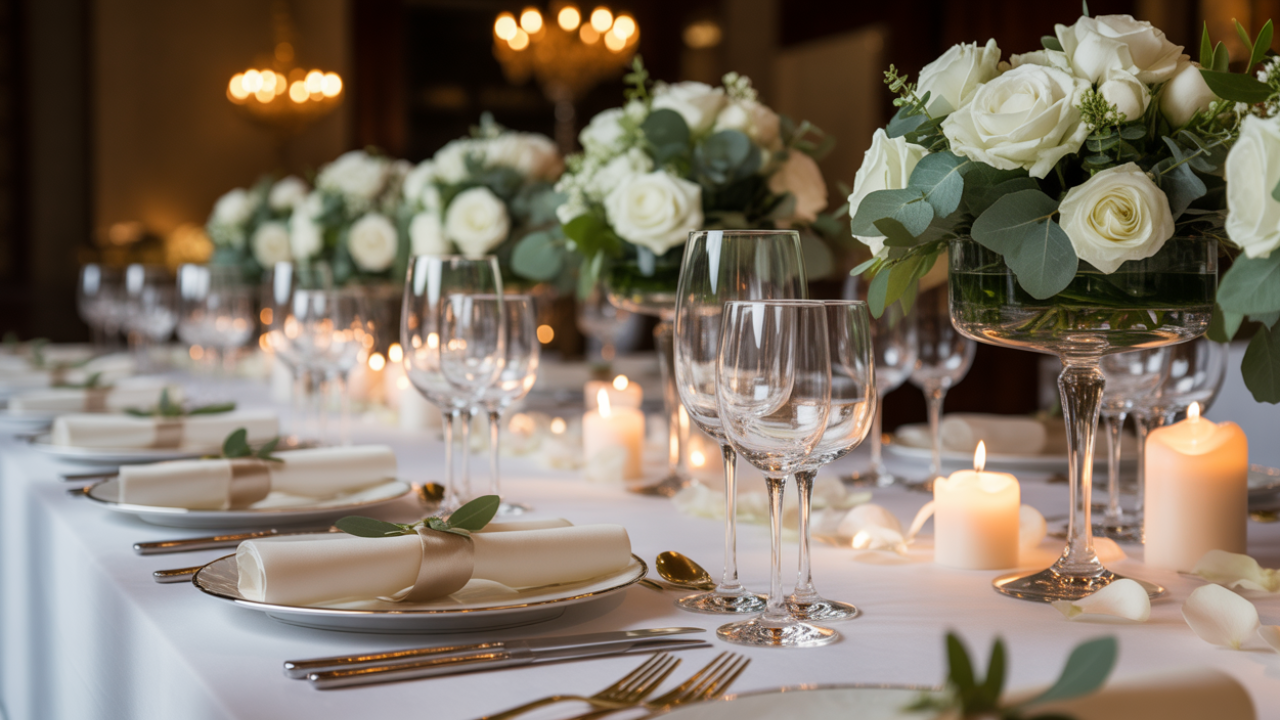
Disclosure: This post may contain affiliate links and advertisements. I may earn a commission at no additional cost to you. Content is supported with Ai and is for entertainment purposes only.
Getting engaged is exciting, emotional, and—if we’re being honest—a little disorienting.
One minute you’re celebrating, and the next you’re hearing numbers, timelines, and opinions from every direction. I remember thinking, Where do people even start?
The truth is, the earliest planning decisions shape everything that comes after them—your budget, your stress level, and how meaningful the day actually feels. When you approach wedding planning with clarity and intention from the beginning, you create space for smart DIY choices that save money without making the wedding feel homemade or overwhelming.
This guide walks through what truly matters before you dive in, how to avoid common planning traps, and how to weave in affordable DIY ideas that still feel elevated, thoughtful, and very you.
Start With Clarity, Not Bookings
Before venues, dresses, or décor, the most important step is getting clear on what kind of wedding you’re actually planning. This sounds simple, but skipping it is one of the biggest reasons budgets spiral.
Sit down together and talk through what you want the day to feel like. Cozy and intimate? Elegant and structured? Outdoors with a relaxed flow? These answers guide every future decision and prevent expensive detours.
Practical example: If your vision is a relaxed celebration with great food and conversation, you may not need a formal multi-course dinner or elaborate rentals. That clarity alone can save thousands.
I’ve noticed that couples who align early tend to enjoy the planning process more because they’re not constantly second-guessing choices.
A wedding vision and planning workbook is ideal for couples who want guided prompts to define priorities before making financial commitments.
Build a Budget That Supports Your Vision (Not Someone Else’s)
A realistic budget isn’t restrictive—it’s freeing. It gives you permission to spend confidently where it matters and simplify everywhere else.
Start with your total number, then divide it into flexible categories based on your priorities. Your budget should reflect your values, not averages you find online.
Budget Categories to Consider
• Venue and rentals
• Food and drinks
• Attire and beauty
• Photography and video
• Décor and DIY materials
• Contingency cushion
I always suggest leaving room for unexpected costs. Even well-planned weddings have a few surprises, and having a buffer keeps stress low.
A budget planner notebook works well for couples who want to track expenses clearly and make intentional tradeoffs without overspending.
Choose DIY Projects That Actually Save Money
DIY can be a gift or a burden—it all depends on what you choose to take on.
Quick Read: Affordable DIY Wedding Ideas That Still Feel Elevated
The best DIY projects are:
• Simple to assemble
• Easy to batch
• Finished well before the wedding week
• Flexible in style
Smart DIY ideas that consistently work:
• Table numbers and signage
• Place cards and escort cards
• Candle or greenery centerpieces
• Welcome signs and seating displays
DIY signage using clean fonts and simple frames often looks just as polished as custom pieces, at a fraction of the cost.
When DIY stays within these boundaries, it saves money and adds meaning.
A set of minimalist acrylic sign holders is perfect for couples planning DIY signage that still looks modern and refined.
How to Create Elevated DIY Table Decor
Table décor is one of the most visible parts of your wedding, and it doesn’t need to be complicated to feel beautiful.
Simple DIY Table Styling Steps
1. Choose a neutral base (tablecloth or runner).
2. Add height variation using candles or small stands.
3. Incorporate greenery or textured elements sparingly.
4. Keep place settings consistent and uncluttered.
5. Repeat the same look across all tables for cohesion.
This approach creates a calm, intentional atmosphere that photographs beautifully.
I’ve seen tables with just candles and greenery feel more inviting than ones packed with expensive arrangements.
A set of flameless LED pillar candles benefits couples who want a romantic glow without venue restrictions or ongoing candle replacement costs.
How to DIY Wedding Paper Goods Without Stress
Paper goods are an excellent place to save money while maintaining a cohesive look.
DIY Place Cards or Programs
1. Select thick cardstock in white or soft neutral tones.
2. Use a single font family that matches your invitations.
3. Print at home or locally to control costs.
4. Trim with a paper cutter for clean edges.
5. Assemble in batches to save time.
This keeps everything consistent and personal without custom pricing.
I love how these quiet details invite guests into the day without drawing attention to the effort behind them.
A precision paper trimmer is helpful for couples creating multiple paper items and wanting professional-looking results.
Plan Your Timeline Before Booking Vendors
Your timeline influences pricing, staffing needs, and even décor choices. A well-thought-out flow can reduce costs simply by shortening rental hours or simplifying transitions.
Consider:
• Ceremony start time
• Reception length
• Meal style and pacing
• DIY setup and teardown windows
A brunch or afternoon wedding often requires fewer rentals and lighter catering, which lowers costs naturally. When the timeline supports your vision, everything feels smoother.
A wedding day timeline planner benefits couples who want to map the day clearly and communicate expectations to vendors and helpers.
Wedding Planning FAQs & Common Mistakes to Avoid
Do I need to decide everything right away?
No. Focus on foundational choices first—vision, budget, and guest count—before smaller details.
Is DIY always cheaper?
DIY saves money when projects are simple and time is realistic. Complex builds often cost more in stress and materials.
What’s the most common planning mistake?
Trying to replicate luxury weddings without adjusting for scale or budget. Inspiration should guide, not pressure.
How early should DIY projects be finished?
Aim to complete most items at least two weeks before the wedding to avoid last-minute burnout.
Helpful product: A wedding planning checklist binder is ideal for couples who want to track progress and avoid overlooking key steps.
Confetti Conclusion: Planning With Intention Changes Everything
Wedding planning doesn’t have to feel overwhelming or expensive to feel meaningful. When you start with clarity, build a budget that supports your values, and choose DIY projects thoughtfully, everything else falls into place.
I truly believe the most beautiful weddings are the ones where couples feel present—not stretched thin by expectations or costs. Elevated doesn’t mean expensive. It means intentional, calm, and full of heart.
When you plan from that place, the celebration reflects it—and so do the memories.
Wishing you the best at your beautiful wedding! ✨
Warmly,
Jenna