
DIY Bridal Veil: How to Create a Veil That Feels Meaningful and Beautiful
Feb 10, 2026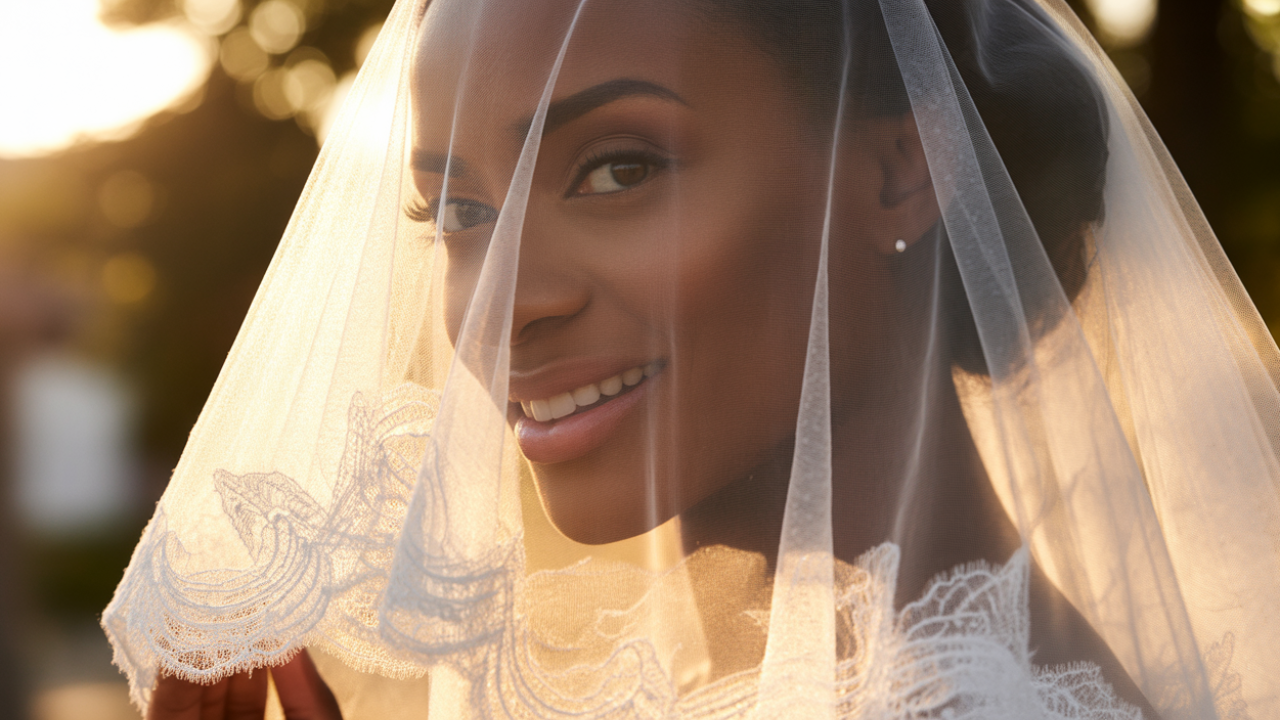
Disclosure: This post may contain affiliate links and advertisements. I may earn a commission at no additional cost to you. Content is supported with Ai and is for entertainment purposes only.
A Soft Beginning: Why Veils Still Feel Special
I still think veils are gorgeous. Even now, when weddings feel more creative and less traditional than ever, there’s something about a veil that quietly catches the light and makes a moment feel suspended in time. When sunlight hits sheer fabric, it softens everything around it—the dress, the movement, the photos, even the way the day feels.
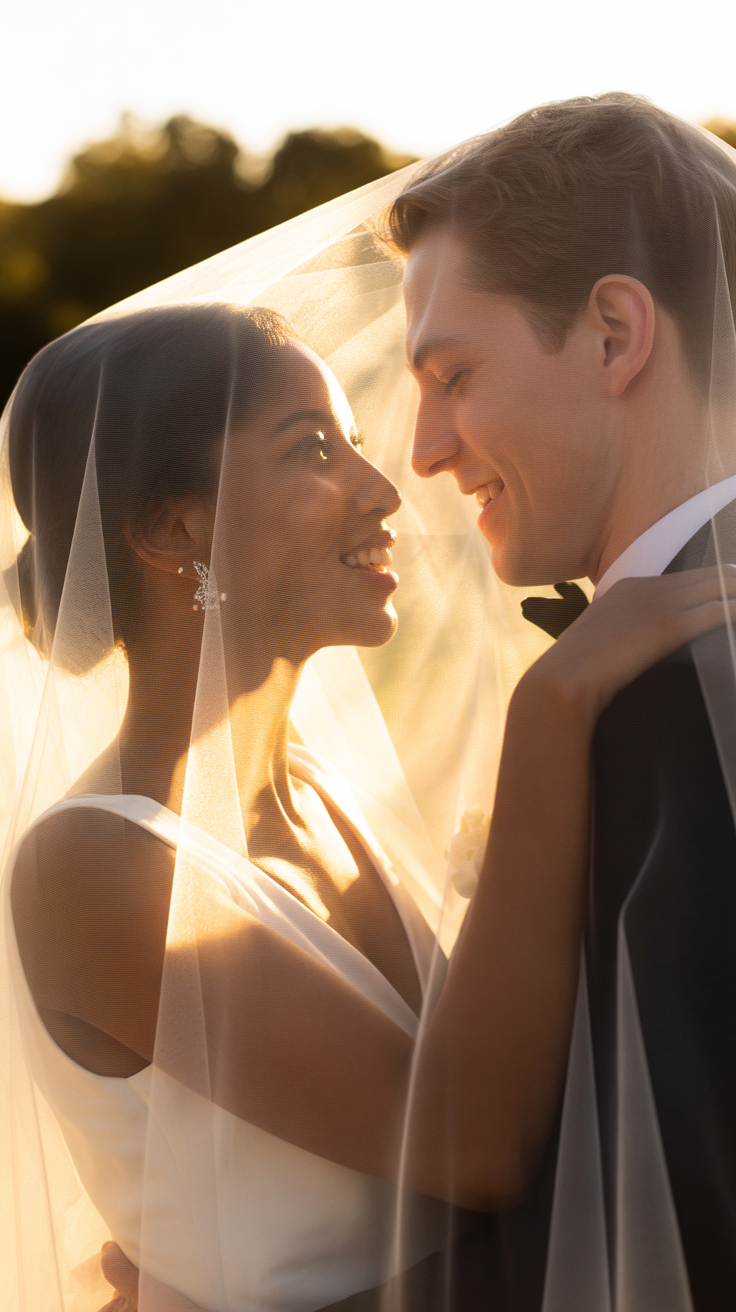
Veils also create opportunities for the sweetest pictures. A veil lifted by the breeze. A quiet laugh underneath it. A moment where the world fades just enough for two people to exist in their own space. Those images don’t feel posed—they feel lived in.
Making your own bridal veil adds another layer of meaning. Instead of choosing something off a rack, you’re shaping something with intention. You get to decide how light it feels, how it moves, and how it complements your dress rather than competes with it. And surprisingly, creating a veil at home is far more doable than it sounds.
The Sentiment Behind Wearing a Veil
Long before veils were about fashion, they were about symbolism. A veil has always represented transition—stepping from one chapter into another, often with a mix of excitement and tenderness. Even today, that feeling still exists, whether or not you connect with tradition in the same way.
For some brides, a veil feels like a gentle pause before the ceremony begins. For others, it’s a way to frame the moment they walk toward the person they love. I’ve always thought of veils as a visual deep breath. They soften nerves. They slow the pace. They invite calm.
When you make your own veil, the sentiment deepens. You’re not just wearing something beautiful—you’re wearing something shaped by your hands, your choices, and your vision. That intention often shows up in photos and memories in subtle ways.
Creating Your Own Bridal Veil: A Step-by-Step Guide That Feels Calm, Not Complicated
This section is intentionally detailed so you can move through each step without rushing or second-guessing. You don’t need advanced sewing skills—just patience, care, and a willingness to go slowly.
Tools and Materials You’ll Want Nearby
Before starting, set up a clean, open workspace where your fabric can lay flat without folding or bunching.
Item to consider here: Illusion Tulle Fabric
Illusion tulle is lightweight, sheer, and easy to manage, making it ideal for a first DIY veil. It blends effortlessly with most dress fabrics without drawing attention away from the gown. Because it drapes softly, it photographs beautifully in both indoor and outdoor light.
Step 1: Choosing the Right Fabric for Your Dress
Fabric selection sets the tone for the entire veil. Soft tulle creates an airy look, while silk tulle adds a subtle richness and weight. Chiffon offers a more fluid drape, especially for brides who want something less structured.
Hold the fabric directly against your dress. Look at it in natural light. Notice whether it blends seamlessly or pulls focus. A veil should complement your dress, not announce itself separately.
Step 2: Preparing the Fabric with Gentle Steam
Once you’ve chosen your fabric, lay it flat and steam it slowly. This step helps remove creases and makes measuring far more accurate.
Item to consider here: Handheld Fabric Steamer
A small fabric steamer keeps delicate materials smooth without risking damage. Steaming before cutting ensures the veil hangs evenly once finished. This tool is also useful for touch-ups on the wedding day.
Step 3: Measuring the Veil Length with Intention
Decide where you want the veil to fall—shoulder length, fingertip, or longer. Measure from where the comb will sit on your head down to your desired length, adding a few inches for flexibility.
If you’re unsure, err slightly longer. You can always trim fabric, but adding length later is difficult.
Step 4: Cutting the Fabric Cleanly and Calmly
Use sharp scissors and cut slowly. Folding the fabric lengthwise helps create a symmetrical shape, especially if you prefer rounded edges.
Item to consider here: Fabric Scissors
Dedicated fabric scissors prevent snagging and frayed edges. Clean cuts make finishing easier later. This is one of those tools that saves time and stress.
You might consider reading this blog post to learn about different bridal veil types: How to Pick the Best Bridal Veil for Your Wedding
Step 5: Finishing the Edges for a Polished Look
Leaving the edges raw creates a modern, barely-there effect. If you prefer something more defined, consider lining the edges with silk ribbon or lace trim.
Item to consider here: Lace Trim or Silk Ribbon
Trim adds subtle structure without overpowering the veil. Choosing a simple edge keeps the look timeless. Hand-stitching allows more control than machine sewing.
Step 6: Attaching the Veil to a Comb (So It Sits Correctly)
Position the comb so it curves toward your head when worn. Fold the top edge of the veil slightly over the comb and stitch it securely with tight, even stitches.
Item to consider here: Metal Veil Comb
Metal combs offer better grip and durability than plastic ones. They anchor the veil securely throughout the ceremony. A neutral finish stays hidden in photos.
Step 7: Adding Gentle Embellishments
If you choose to add details, keep them minimal. A few pearls or beads can add dimension without weighing the veil down.
Item to consider here: Pearl or Bead Embellishments
Light embellishments catch the light softly. Placing them near the edges or lower portion of the veil keeps the look balanced. Less detail often feels more elegant.
Step 8: Hand-Sewing with Care
Use a fine needle and thread that matches your fabric color. Small stitches disappear into the veil and keep everything secure.
Item to consider here: Fine Sewing Needle Set
Thin needles help maintain the veil’s delicate look. They allow for precision when attaching trim or embellishments. This step rewards patience.
Five Beautiful Places to Take Bridal Veil Photos on Your Wedding Day
Veils shine when they’re allowed to move and interact with their surroundings. Here are a few settings that naturally elevate veil photos.
1. A garden or floral arch – Soft greenery highlights the veil’s transparency.
2. Near a window with natural light – Sheer fabric glows beautifully in daylight.
3. An open field or courtyard – Wind creates effortless movement.
4. A staircase or balcony – Elevation adds drama without effort.
5. A quiet corner before the ceremony – Intimate moments feel especially meaningful.
Frequently Asked Questions About DIY Bridal Veils
How do I fix fraying edges?
Trim cleanly with sharp scissors and avoid pulling the fabric. Adding a stitched or trimmed edge also helps prevent fraying over time.
How do I make sure the comb stays secure?
Tease the hair slightly where the comb will sit and reinforce with hairpins crossed over the comb.
How do I clean the veil if it gets a smudge?
Spot-clean gently with cool water and mild soap. Lay flat to dry and avoid wringing or twisting the fabric.
Stepping Into the Day with Your Gorgeous DIY Veil
There’s something incredibly exciting about wearing a veil you made yourself. It carries your effort, your creativity, and your quiet anticipation for the day ahead. As you step into your wedding day wearing something shaped by your hands, the veil becomes more than an accessory—it becomes part of the memory.
The beauty of a DIY veil isn’t perfection. It’s intention. And when you see it move in the light for the first time, you’ll know you created something truly special.
Wishing you the best at your beautiful wedding! ✨
Warmly,
Jenna