
Budget for Wedding Vendors ✨ to Save Money
Feb 27, 2026
Disclosure: This post may contain affiliate links and advertisements. I may earn a commission at no additional cost to you. Content is supported with Ai and is for entertainment purposes only.
'
Food vendors often take up the largest portion of wedding spending, which makes them the biggest opportunity for smart savings.
The goal isn’t cutting corners. It’s making intentional decisions that protect your budget while still giving your guests a memorable experience. When you approach wedding catering strategically, you gain flexibility in other areas — florals, photography, honeymoon plans, or even just breathing room.
This guide walks through realistic ways to save money on wedding food vendors, how to approach catering contracts thoughtfully, creative reception alternatives, small DIY ideas that feel elevated, and common budgeting mistakes to avoid.
You can absolutely host a joyful celebration without overspending on food.
Let’s break it down clearly and confidently.
Why Wedding Food Vendors Cost So Much (And Where You Actually Have Control)
Catering isn’t just food. It includes:
• Staffing
• Rentals
• Prep time
• Service equipment
• Cleanup
• Taxes and gratuity
When couples see a per-plate cost, it can feel shocking. But the good news is that there are multiple ways to adjust that number.
I personally like looking at catering as a flexible category instead of a fixed one. You have more control than you think — especially if you’re willing to adjust format, timing, or menu structure.
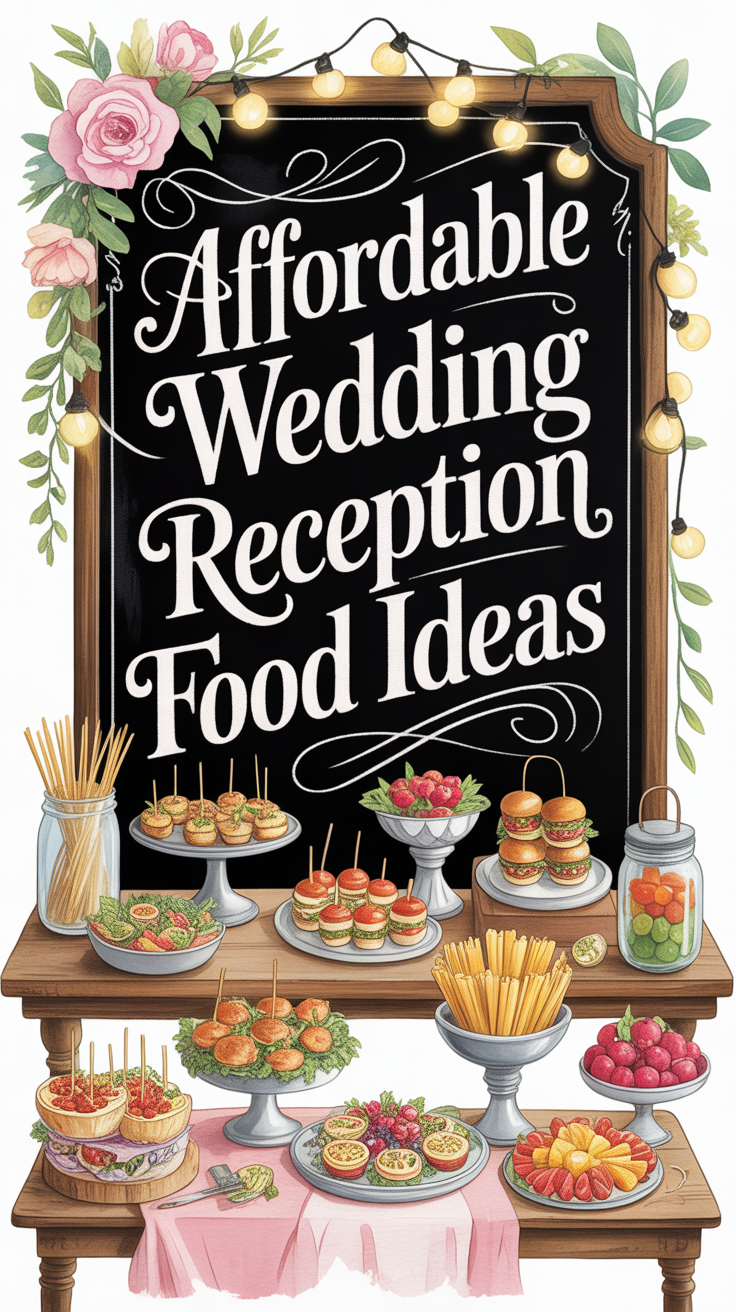
Smart Ways to Save Money on Wedding Food Vendors
Let’s get practical.
1. Choose a Non-Saturday Wedding Date
Saturday evenings are premium pricing across almost every vendor category.
Consider:
• Friday evening
• Sunday brunch
• Weekday micro wedding
Food vendors often reduce minimums on non-peak days. That single decision can shift thousands off your budget.
If I were planning again, I would absolutely look at Friday or Sunday first.
2. Opt for Brunch Instead of Dinner
Brunch weddings are incredibly budget-friendly.
Brunch menus cost less because:
• Ingredients are simpler
• Alcohol consumption is often lower
• Service windows are shorter
Ideas include:
• Waffle bar
• Pastries and fruit
• Breakfast sliders
• Coffee and sparkling juice station
It still feels festive — just lighter and more relaxed.
3. Simplify the Menu Structure
Multi-course plated meals drive costs up quickly.
Instead, consider:
• One entrée choice
• Buffet-style service
• Family-style platters
• Heavy appetizers instead of full dinner
Fewer menu options means less prep complexity.
4. Reduce Guest Count Strategically
This one makes the biggest difference.
If your per-person cost is $75 and you cut 20 guests, you save $1,500 immediately.
Intimate weddings create space for higher-quality ingredients without inflating total spend.
5. Skip Late-Night Snacks (Or Replace Them)\
Late-night food trucks are fun, but they double labor costs.
Instead, consider:
• Self-serve dessert table
• Coffee and cookie station
• Pre-packaged treats guests can grab
It still feels thoughtful without requiring additional staffing.
6. Limit Bar Options
Full open bars dramatically increase food vendor pricing.
Alternative ideas:
• Signature cocktail only
• Beer and wine
• Champagne toast
• Limited bar hours
Guests rarely need full liquor service all night.
7. Choose Seasonal Ingredients
Seasonal produce lowers costs and improves taste.
Ask your caterer:
“What ingredients are in season during our wedding month?”
That question alone can reduce pricing.
8. Use In-House Catering When Possible
Some venues offer discounted packages for in-house catering.
Bundled pricing often includes:
• Linens
• Basic rentals
• Staff
It simplifies coordination and lowers overall cost.
9. Negotiate Minimums Respectfully
Ask:
“Is there flexibility in your guest minimum?”
Vendors may reduce minimums for off-peak dates. Polite conversations often open doors.
10. Rethink Formality
Buffet and family-style service require fewer staff members than plated meals.
Less staff = lower labor costs.
I personally love the warmth of family-style platters. It feels communal and cozy.
Small DIY Ideas That Actually Make Sense
DIY doesn’t mean cooking your entire reception. It means choosing specific areas that are safe and manageable.
DIY Dessert Table Add-On
Have your caterer handle the main meal.
You add:
• Homemade cookies
• Brownie bites
• Candy jars
• Mini pies
Label everything beautifully and display on cohesive trays.
It lowers bakery costs while keeping the presentation intentional.
DIY Welcome Drink Station
Instead of staffed cocktail service at arrival:
• Large beverage dispensers
• Pre-batched mocktails
• Sparkling water with citrus
DIY Favor-Style Treat Bags
Pre-packaged treats eliminate extra plating and staffing.
Ideas:
• Mini popcorn bags
• Chocolate squares
• Baked cookies
It doubles as dessert and favor.
DIY Grazing Corner
Add a simple grazing board near cocktail hour:
• Bread
• Olives
• Fruit
• Cheese
You can assemble this with grocery-store ingredients and stylish trays.
I personally love the look of a layered grazing display — it feels abundant without being overly expensive.
How to Budget for Wedding Food Vendors Step-by-Step
Let’s talk real numbers.
Step 1: Set a Percentage Goal
Traditionally, catering takes 25–35% of the wedding budget.
If your budget is $20,000:
Target food spending: $5,000–$7,000.
Knowing this range keeps you realistic.
Step 2: Calculate Per-Person Cost
Divide your food budget by your guest count.
Example:
$6,000 ÷ 80 guests = $75 per person.
This number helps you compare quotes quickly.
Step 3: Add Hidden Costs
Remember to include:
• Tax
• Service fees
• Gratuity
• Rentals
• Bar staffing
Always request an all-in estimate.
Step 4: Build a Cushion
Many add 5–10% buffer for unexpected adjustments.
Unexpected guest additions happen often.
Questions to Ask Food Vendors Before Booking
Avoid surprises by asking:
• What is included in the per-person cost?
• Are rentals included?
• Is gratuity built in?
• How many staff members are provided?
• What is your overtime policy?
• What happens if guest count decreases?
Clear contracts protect your budget.
Common Wedding Food Budget Mistakes
Falling in Love Before Seeing the Contract
Emotional decisions can override financial clarity.
Ignoring Service Fees
Service charges can add 18–25% on top of base pricing.
Overestimating Alcohol Needs
Guests drink less at daytime weddings.
Underestimating Portion Sizes
Ask about portion clarity to avoid unnecessary excess.
Choosing Trend Over Taste
Stick with flavors most guests enjoy. Simple menus are often more cost-effective.
Creative Reception Ideas That Lower Food Costs
If you’re open to flexibility, consider:
• Afternoon tea reception
• Dessert-only celebration
• Cocktail-style standing reception
• Pizza bar
• Taco buffet
• Pasta station
Interactive stations can reduce plated service staffing.
Saving Without Sacrificing Celebration
Saving money on wedding food vendors doesn’t mean sacrificing experience.
It means choosing intentional structure.
When your menu aligns with your guest count, season, and service style, you protect your budget and create a smoother event.
I truly think the best weddings feel warm and welcoming rather than extravagant for the sake of it.
Guests remember:
• Laughter
• Music
• Conversation
• Dancing
They rarely remember how many entrée options were offered.
With smart planning, you can save thousands — and still host a celebration that feels joyful and generous.
Wishing you the best at your beautiful wedding! ✨
Warmly,
Jenna