
5 Smart Tips for Wedding Flowers on a Budget
Jan 18, 2026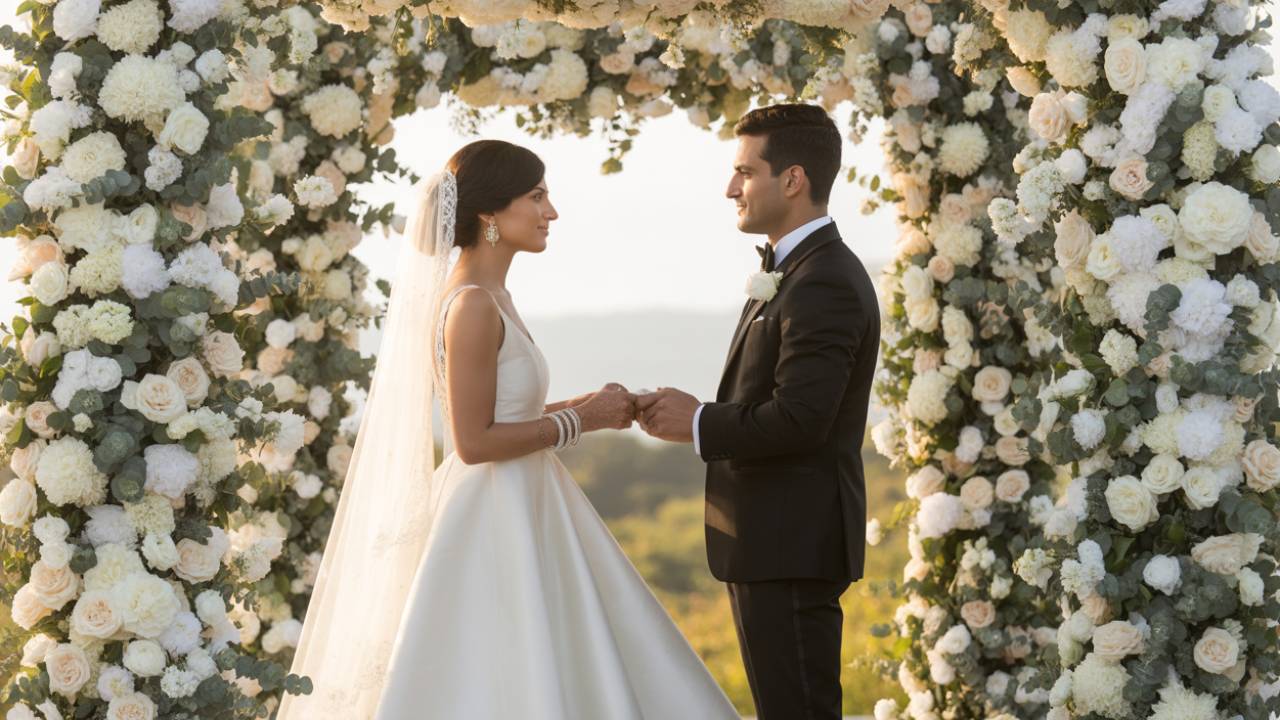
Disclosure: This post may contain affiliate links and advertisements. I may earn a commission at no additional cost to you. Content is supported with Ai and is for entertainment purposes only.
5 Smart Tips for Wedding Flowers on a Budget (That Still Look Beautiful and Intentional)
I love flowers. Truly. I’m one of those people who notices them everywhere — at the grocery store, on walks, in photos, in old movies. And if I’m being honest, flowers will probably be where a good chunk of my wedding budget ends up. They bring emotion, softness, and life into a space in a way almost nothing else can.
That said, flowers don’t have to be the main focus for everyone. For some couples, it’s the gown, the food, the photographer, or the overall experience that matters most. And that’s completely valid. What I’ve learned — both from my own planning and from watching friends plan their weddings — is that you can absolutely have a wedding that feels lush, thoughtful, and elevated without spending a fortune on florals.
This post is about breaking wedding flowers down in a way that feels practical and empowering. You don’t need to give up beauty to stay on budget. You just need a strategy that lets you spend where it matters most to you while still making your venue look incredible.
Why Wedding Flowers Feel Expensive (and Why That’s Okay)
Before getting into tips, it helps to understand why flowers add up so quickly. You’re not just paying for blooms — you’re paying for sourcing, timing, labor, design, transport, setup, and breakdown. Fresh flowers are perishable, delicate, and time-sensitive.
That doesn’t mean they’re not worth it. It just means they benefit from intention.
Two couples can spend the same amount on flowers and have wildly different results. One spreads florals thin across every surface. The other concentrates them in a few high-impact areas. The second wedding almost always looks more elevated — even on a smaller budget.
That’s the mindset shift that makes everything below work.
Tip 1: Decide Where Flowers Matter Most (and Let the Rest Be Simple)
The biggest mistake couples make with wedding flowers is trying to put them everywhere. Flowers are beautiful, but they’re most effective when they’re intentional.
Start by asking yourself:
• Where will photos be taken most often?
• Where do guests’ eyes naturally go?
• What moments do I want to feel emotional or special?
For many weddings, that’s:
• The ceremony space
• The bouquet(s)
• One or two focal areas at the reception
If you invest in a beautiful ceremony arrangement and a stunning bridal bouquet, those flowers will appear in a large percentage of your photos. Centerpieces, on the other hand, are often seen for a shorter time and photographed less.
By choosing fewer, stronger floral moments, you create impact without overspending.
Tip 2: Use Greenery and Texture to Stretch Your Floral Budget
One of the easiest ways to save on wedding flowers while still keeping things lush is leaning into greenery and texture.
Greenery:
• lasts longer
• fills space beautifully
• is often more affordable than blooms
Think:
• eucalyptus
• olive branches
• ruscus
• ferns
Texture adds interest without requiring expensive flowers. Linen runners, candles, wood elements, and even stone or ceramic details can elevate a table just as much as a full floral arrangement.
Instead of large floral centerpieces, use greenery garlands paired with candles. The result feels romantic and full — and the flowers you do use stand out more.
This approach works especially well for outdoor weddings, garden-inspired themes, or relaxed, elegant celebrations.
Tip 3: Choose Seasonal and Locally Available Flowers
Seasonality matters more than most people realize when it comes to cost. Flowers that are in season are:
• easier to source
• fresher
• often less expensive
When you ask for flowers that are out of season or imported, costs rise quickly.
If you’re getting married in late summer, soft garden-style blooms and greenery are often easier to work with. In winter, focusing on textural elements, evergreens, or simple white blooms can feel intentional rather than limiting.
You don’t need to know flower names to do this well. A good approach is to share your color palette and overall vibe, then let your florist guide you toward what’s naturally available.
This flexibility almost always results in better pricing and better-looking arrangements.
Tip 4: Repurpose Flowers Throughout the Day
One arrangement can often do double or even triple duty — and this is where thoughtful planning really pays off.
Examples of repurposing:
• Ceremony florals moved to the sweetheart table
• Aisle arrangements reused at the bar or entrance
• Bridesmaids’ bouquets placed in vases for the reception
Those beautiful ceremony pieces don’t need to disappear once vows are over. With a little coordination, they can become part of the reception décor and extend their value.
If you’re working with a florist, ask what’s realistic to move. If you’re DIY-ing, assign a trusted friend or coordinator to handle transitions.
Repurposing doesn’t mean things look reused — it means they look cohesive.
Tip 5: Mix Real Flowers with Thoughtful Alternatives
Fresh flowers don’t have to stand alone. Mixing them with alternatives can dramatically reduce costs while keeping everything visually rich.
Consider:
• dried flowers
• faux florals for arches or backdrops
• potted plants
• candles and lanterns
Using faux flowers for a large installation like an arch can save money while still looking beautiful in photos — especially when paired with real bouquets and table accents.
Another option is potted plants that double as favors or home décor afterward. They add life to the space and continue to be enjoyed long after the wedding.
The key is consistency. When alternatives are chosen intentionally, guests don’t see “fake” — they see design.
How to Talk to Your Florist (or Yourself) About Budget Honestly
If you’re working with a florist, honesty is your best tool. Sharing your real budget upfront allows them to design within it rather than guessing.
Helpful things to communicate:
• total floral budget range
• top priorities
• flexibility on flower types
• openness to repurposing
If you’re DIY-ing, the same applies. Decide your number first, then design backward from there.
A practical example:
Instead of saying “I want a lot of flowers,” say “I want my ceremony to feel lush, and I’m okay keeping tables simple.” That clarity changes everything.
Common Flower Budget Questions Brides Ask
Do guests notice fewer flowers?
Most guests notice overall atmosphere, not flower count. Intentional design always reads as thoughtful.
Is DIY always cheaper?
Not always. DIY saves on labor but requires time, planning, and storage. It’s best for couples who enjoy hands-on projects.
Can I skip flowers entirely?
Yes — and many weddings do beautifully. Candles, lighting, fabric, and architecture can carry a space on their own.
Common Mistakes (and Simple Solutions)
Mistake: Trying to copy inspiration exactly
Solution: Use inspiration as a guide, not a blueprint.
Mistake: Spreading flowers too thin
Solution: Concentrate on fewer, stronger moments.
A Thoughtful Ending — and a Little Celebration for You
Planning wedding flowers on a budget isn’t about cutting corners. It’s about choosing where beauty matters most to you. Whether flowers are your main priority or just one piece of the puzzle, you’re allowed to design a day that reflects your values, your style, and your story.
If you’re reading this while planning a wedding, bachelorette, or bridal shower, I hope you feel encouraged — not pressured. You don’t need to do everything to create something meaningful. Thoughtful choices go a long way.
Here’s to your celebration feeling full, beautiful, and completely your own. You’re doing better than you think. 💐
Wishing you the best at your beautiful wedding! ✨
Warmly,
Jenna